Ivvavik National Park: Wilderness at the Edge of the World
Ivvavik is one of Canada's most remote national parks — accessible only by charter aircraft and covering the northwestern corner of Yukon along the Beaufort Sea coast. For serious wilderness travellers, it's extraordinary.
Ivvavik National Park is one of Canada's most remote and least-visited national parks — a vast Arctic wilderness in the northwestern corner of the Yukon, reachable only by chartered aircraft. For experienced wilderness travellers, it is one of the great journeys left on the continent. Its name means "a place for giving birth, a nursery" in Inuvialuktun, a reference to its role as calving ground for the Porcupine caribou herd.
## A park born of a land claim
Ivvavik protects roughly 9,775 square kilometres, stretching from the **British Mountains** down to the **Beaufort Sea** coast. Established in 1984 through the **Inuvialuit Final Agreement**, it holds a special place in Canadian history: it was the **first national park in the country created as the result of an Indigenous land claim**. The Inuvialuit continue to co-manage the park, and their relationship with this land is central to its purpose.
## The Firth River
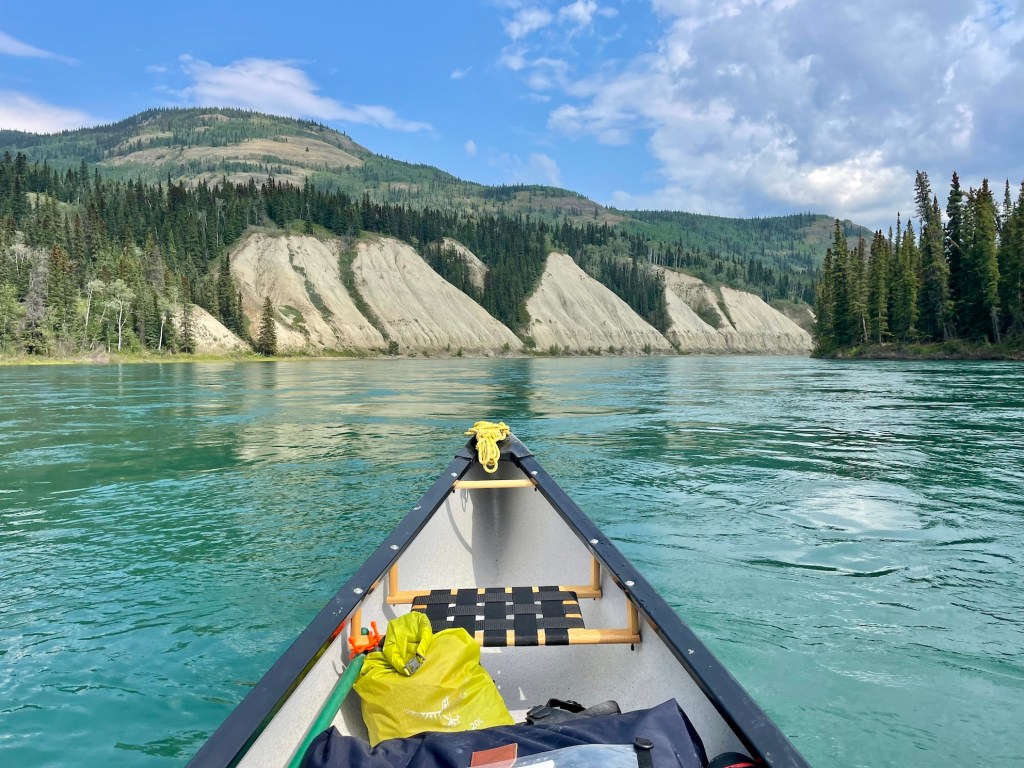
The park's signature journey is the **Firth River** — one of the finest wilderness rafting and paddling rivers in the Arctic. A typical trip is a multi-day expedition through the British Mountains and their foothills, running canyons and whitewater toward the coast. It is a serious undertaking for experienced parties or organized groups, and many visitors come specifically for it.
### The Rafting Experience
The Firth River offers a thrilling experience for seasoned rafters. Its waters cut through the rugged terrain of the British Mountains, offering not only challenging rapids but also serene stretches where rafters can take in the stark beauty of the Arctic landscape. The river is fed by glacial meltwater, making it icy cold even in the peak of summer. Rafters must be prepared for the unpredictable nature of the river, where conditions can change rapidly, demanding quick thinking and adaptability.
### Wildlife Along the Firth
While navigating the Firth, it's not uncommon to spot wildlife along its banks. Besides the majestic Porcupine caribou, the area is home to grizzly bears, wolves, and a variety of bird species that take advantage of the river's rich ecosystem. The presence of these animals is a reminder of the pristine nature of the park, untouched by the encroachment of human development.
## Genuine wilderness
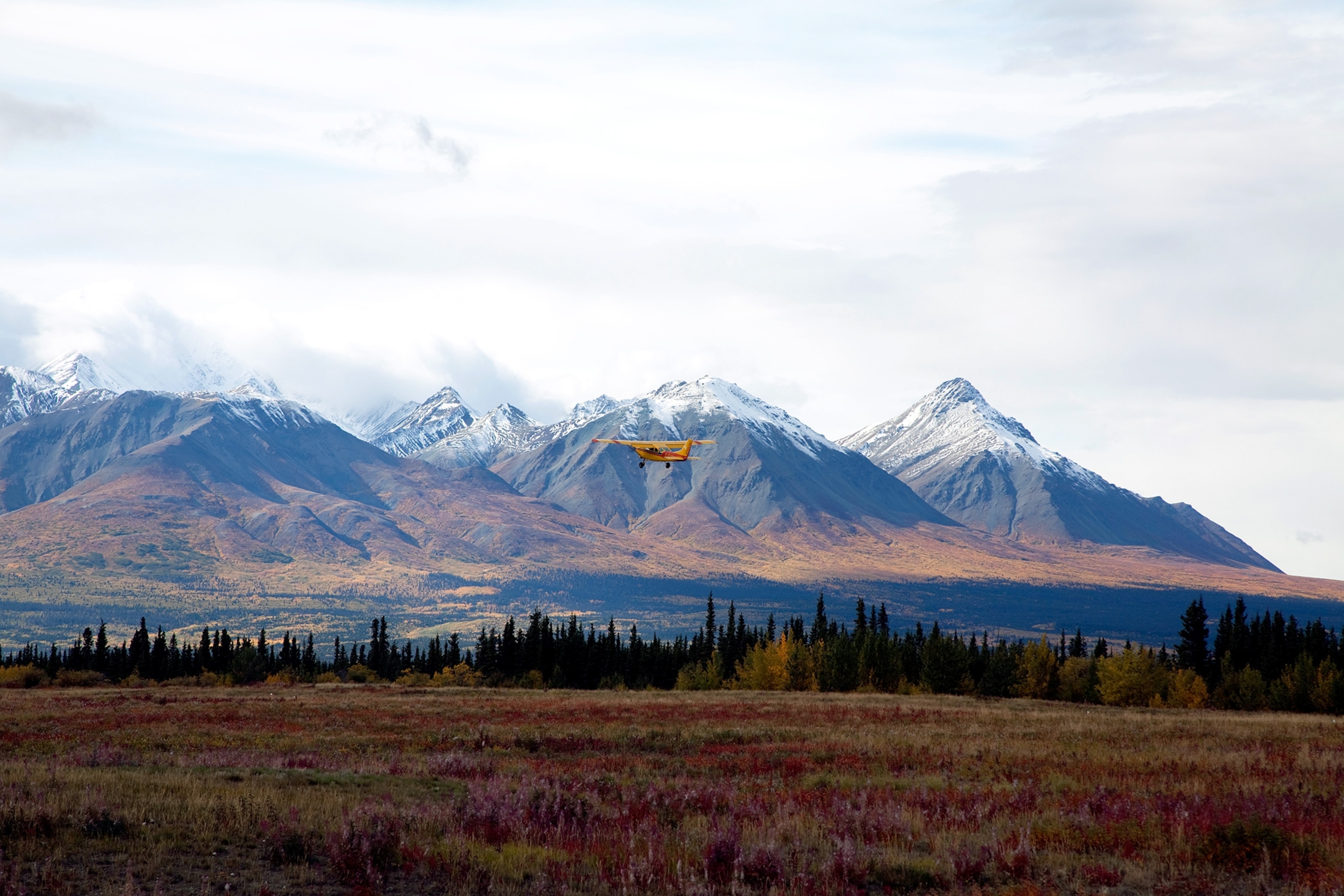
There are no roads, no maintained trails, no campgrounds, and no visitor services inside Ivvavik. Access is by **charter aircraft from Inuvik, Northwest Territories**, usually to a gravel airstrip in the park. This is true expedition travel: you must be entirely self-sufficient and prepared for Arctic weather, river hazards, and bears.
### Preparing for the Expedition
Visitors must plan meticulously, ensuring they carry enough supplies and the right equipment for their stay. Essential gear includes satellite phones for communication, GPS devices for navigation, and bear-proof containers for food storage. The weather can shift from sunny and mild to cold and stormy in a matter of hours, so layered clothing and robust outdoor gear are crucial.
### Bear Safety
The park is home to a significant population of grizzly bears. Visitors need to practice bear safety, which includes storing food away from sleeping areas, traveling in groups, and making noise to avoid surprising a bear. Bear spray is a recommended precaution, though understanding bear behavior and maintaining a respectful distance is the best way to avoid conflicts.
## A contested coast
Ivvavik sits directly against the **Arctic National Wildlife Refuge** in Alaska. The **Porcupine caribou herd** — one of the largest wild caribou herds on Earth — migrates across both, using the coastal plain as its calving grounds. That plain, which straddles the international border, is one of the most fiercely contested conservation landscapes in North America, and it is fundamental to the way of life of the [Vuntut Gwitchin](/blog/vuntut-gwitchin-porcupine-caribou) and other Gwich'in and Inuvialuit peoples.
### The Importance of the Coastal Plain
The coastal plain is a critical habitat not just for the Porcupine caribou but also for numerous bird species that migrate from as far as South America to breed here. The area’s ecological significance has made it a focal point of conservation efforts, with ongoing discussions about its protection versus potential oil and gas exploration.
## Planning
Almost everyone visits Ivvavik through Parks Canada's organized trips or a licensed outfitter; independent expeditions require extensive permitting and experience. Start with the official [Parks Canada Ivvavik](https://parks.canada.ca/pn-np/yt/ivvavik) page. For the neighbouring park inland, see [Vuntut National Park and the Old Crow Flats](/blog/vuntut-national-park-guide).
### The Best Time to Visit
The window for visiting Ivvavik is narrow, typically from late June to mid-August, when the weather is more temperate, and river conditions are suitable for rafting. During this time, the midnight sun offers extended daylight hours, allowing for longer explorations. However, even in summer, temperatures can dip, and snow is not unheard of, so visitors must come prepared for all conditions.
### Getting There
Reaching Ivvavik involves first traveling to Inuvik in the Northwest Territories, which is accessible by air from major Canadian cities like Vancouver and Edmonton. From Inuvik, visitors charter flights to Ivvavik, typically landing at Margaret Lake, the park's primary access point. These flights offer a breathtaking aerial view of the Arctic landscape, setting the stage for the adventure ahead.
### Permits and Regulations
As part of the Inuvialuit Settlement Region, visitors must respect the local regulations and obtain necessary permits. This includes adhering to guidelines on wildlife interaction and preserving the natural and cultural heritage of the area. Parks Canada provides detailed instructions on obtaining permits and the rules visitors must follow.
## Cultural Significance and Indigenous Partnerships
### Indigenous Guides and Storytelling
Experiencing Ivvavik National Park through the eyes of the Inuvialuit guides provides an invaluable perspective on the cultural and historical significance of the land. Guided trips often include storytelling sessions where visitors learn about the traditional ways of life, hunting practices, and the deep spiritual connection the Inuvialuit have with the land. These narratives enrich the journey, offering insight into a culture that has thrived in the harsh Arctic environment for millennia.
### Traditional Knowledge and Conservation
The Inuvialuit's traditional knowledge plays a crucial role in the park's conservation efforts. Collaborating with Parks Canada, the Inuvialuit ensure that the park’s management strategies honor both ecological integrity and cultural heritage. This partnership highlights the importance of Indigenous wisdom in maintaining the delicate balance of these ecosystems.
### Opportunities for Volunteering
For those looking to contribute more actively, volunteering opportunities exist within Ivvavik. These programs often involve assisting with scientific research, wildlife monitoring, and maintaining the park’s facilities. Participants gain hands-on experience in environmental conservation while working alongside park staff and Indigenous communities, fostering a deeper connection with the land and its stewards.
---
## See Also on TheKlondike.net
- [Vuntut National Park and the Old Crow Flats](/blog/vuntut-national-park-guide) — its neighbour in the far north
- [The Vuntut Gwitchin and the Porcupine Caribou](/blog/vuntut-gwitchin-porcupine-caribou) — the herd Ivvavik protects
- [Old Crow: Life in Yukon's Most Remote Community](/blog/old-crow-remote-community)
- [Tombstone Territorial Park](/blog/tombstone-territorial-park-guide) — another great northern wilderness
## Flora and Fauna: Surviving the Arctic
### Arctic Flora
Despite the harsh climate, Ivvavik National Park hosts a surprising diversity of plant life. The short growing season in the Arctic tundra sees a burst of life in the summer months, with wildflowers such as Arctic poppies and dwarf fireweed carpeting the landscape. Low shrubs, mosses, and lichens dominate the terrain, adapted to withstand the cold and wind. These hardy plants form the foundation of the park's ecosystem, supporting a range of wildlife species.
### Unique Fauna
Beyond the well-known Porcupine caribou, Ivvavik is home to a range of Arctic fauna. Muskoxen roam the tundra, notable for their shaggy coats that insulate them against the freezing temperatures. The park’s rivers and streams support populations of Arctic char and grayling, making it a potential spot for fishing enthusiasts, though restrictions apply to protect the fragile ecosystem. Birdwatchers will find Ivvavik a paradise during the migratory season, with species such as the snow bunting and gyrfalcon making appearances.
## Exploring the British Mountains
### Hiking the Unmarked Trails
While Ivvavik lacks maintained trails, the adventurous can explore the British Mountains on foot. These ancient peaks offer challenging yet rewarding hikes, with the opportunity to traverse untouched landscapes where few have walked before. Hikers need excellent navigation skills and must be prepared for sudden weather changes, but the views from the ridges, stretching over vast expanses of wilderness, are unparalleled.
### Geological Wonders
The British Mountains are not only a visual spectacle but also a geological wonder. The rugged terrain is a testament to the powerful forces of glaciation that shaped the region. Visitors with an interest in geology will find the exposed rock formations and glacial valleys fascinating, providing insights into the Earth's history and the dynamic processes that continue to shape the Arctic landscape.
## Photography in Ivvavik
### Capturing the Midnight Sun
For photographers, the Arctic light offers a unique challenge and reward. The phenomenon of the midnight sun in Ivvavik provides endless daylight, allowing photographers to capture the landscape in a constant state of golden hour. The interplay of light and shadow across the tundra and the British Mountains offers endless opportunities for stunning images.
### Wildlife Photography Tips
Photographing wildlife in Ivvavik requires patience and respect for the animals. A long lens is essential for capturing distant creatures without disturbing them. Early mornings and late evenings are prime times for animal activity, and photographers should be ready to adapt to the park's dynamic conditions. Always maintain a safe distance from wildlife to ensure both personal safety and the well-being of the animals.