Vuntut National Park and the Old Crow Flats
Vuntut National Park protects the Old Crow Flats — a vast wetland north of Old Crow that is one of the most important waterfowl breeding areas in North America and a place of deep significance to the Vuntut Gwitchin.
Vuntut National Park protects 4,345 square kilometres of the far northern Yukon, immediately north of the community of [Old Crow](/blog/old-crow-remote-community). It safeguards one of the most important wetlands in North America — the **Old Crow Flats** — and the deep, living relationship between the Vuntut Gwitchin and their homeland.
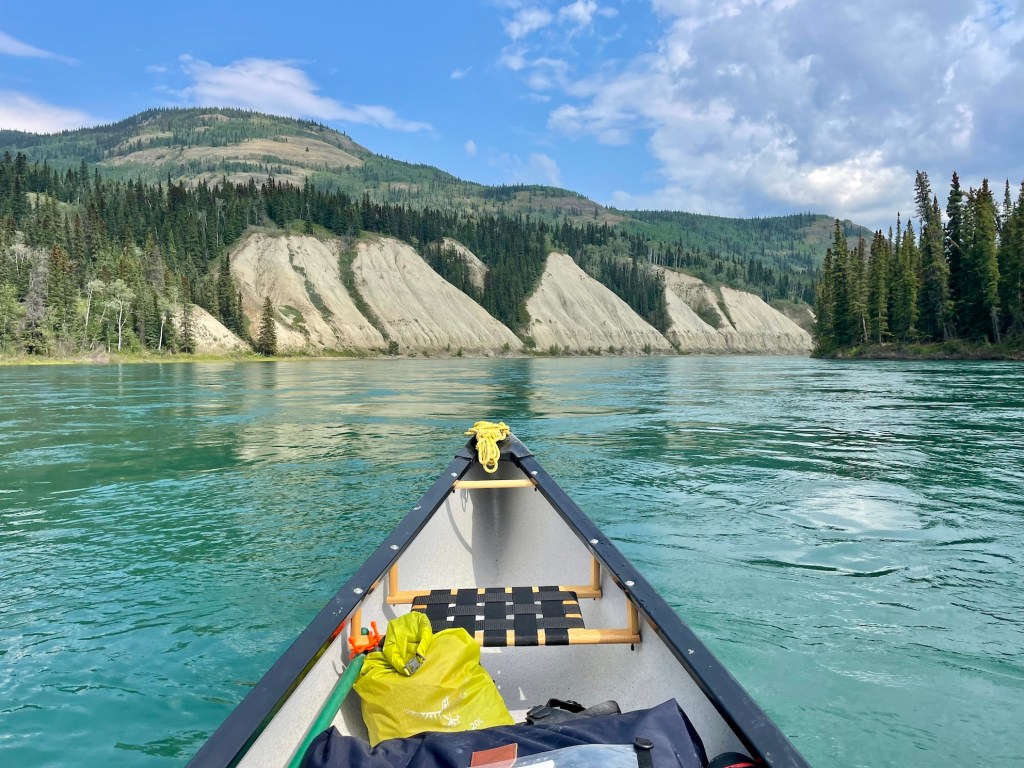
### A Park of the Vuntut Gwitchin
Vuntut was created in 1995 through the **Vuntut Gwitchin First Nation Final Agreement**, and the First Nation co-manages it with Parks Canada. This is not a wilderness empty of people: it is the heart of the Vuntut Gwitchin homeland, where the community of Old Crow has hunted the [Porcupine caribou](/blog/vuntut-gwitchin-porcupine-caribou) and harvested the Flats for countless generations. The park exists to protect that living relationship as much as the land itself.
Decisions about the park are made jointly. Traditional knowledge held by Vuntut Gwitchin elders is formally incorporated into management planning. The relationship between the First Nation and Parks Canada has evolved over the decades since 1995 into a genuine partnership — one studied by researchers interested in how co-management of protected areas can work when Indigenous rights are taken seriously.
### The Old Crow Flats
The Flats are a vast mosaic of thousands of shallow lakes, ponds, and wetlands formed and reshaped by the freeze and thaw of permafrost. They are one of the most continentally important breeding and staging grounds for waterfowl in North America — used by enormous numbers of ducks, geese, swans, and shorebirds each year. In spring and fall the skies fill with migrating birds moving between their Arctic breeding grounds and their wintering areas across the hemisphere.
The Flats are also a historically important fishery. Inconnu, northern pike, and Arctic grayling sustain both wildlife and the Vuntut Gwitchin community. Trapping — for mink, muskrat, and beaver — has been practised across the Flats for generations and remains part of the community's economy and culture.
Permafrost underlies the entire landscape, and the Flats are acutely sensitive to the warming that is already reshaping the Arctic. Lakes are draining as permafrost thaws, altering the wetland mosaic that waterfowl depend on. The Vuntut Gwitchin have been documenting these changes for decades, and the park has become one of the key sites for scientific research into Arctic climate change.
### Ice Age Treasure House
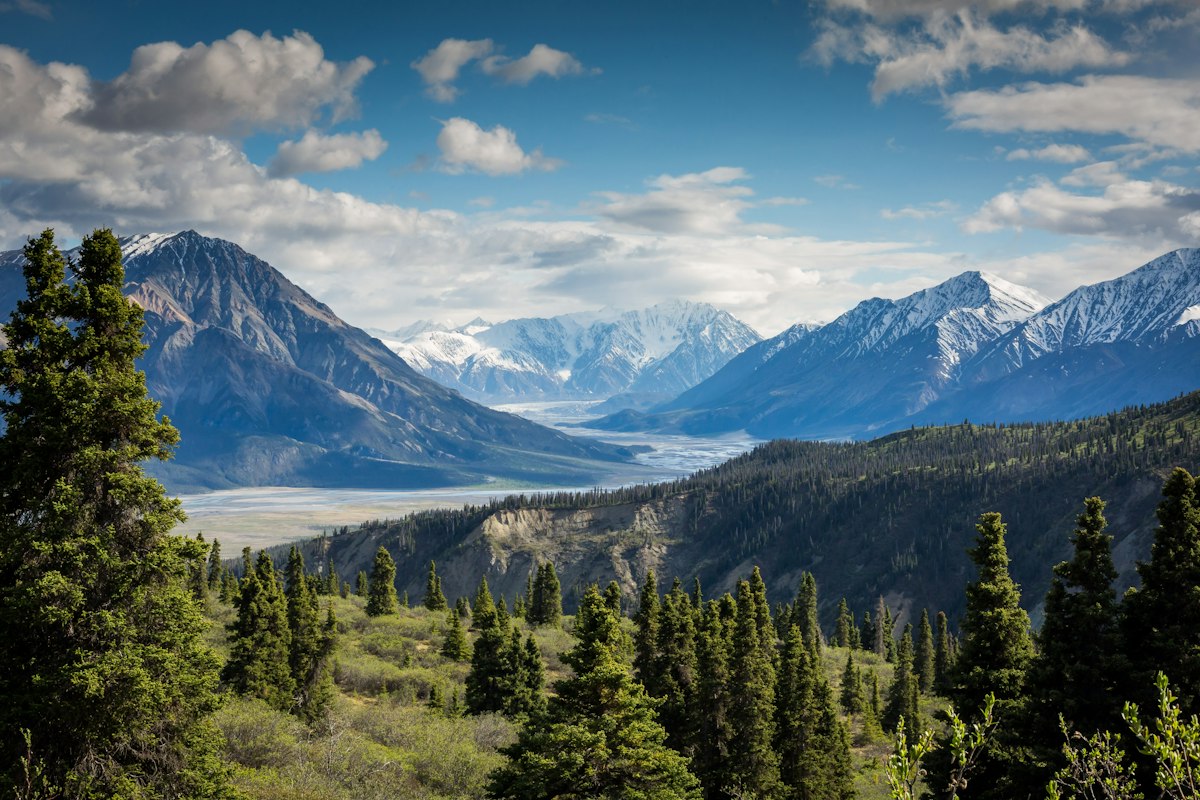
The Old Crow basin is one of the richest **Pleistocene (Ice Age) fossil areas** in North America. Erosion along the rivers continually exposes the bones of mammoth, ancient horse, giant beaver, bison, and other Ice Age fauna in extraordinary numbers. The region has been central to scientific understanding of Beringia — the ice-free land that once connected Asia and North America during the glacial maxima — and to longstanding debates about when and how humans first arrived in the Americas. Artifacts from the Old Crow area include some of the oldest evidence of human presence in the Yukon.
The Vuntut Gwitchin have lived alongside these fossils for thousands of years, and their oral traditions contain knowledge of the landscape's past that has proven scientifically valuable. The partnership between traditional knowledge and academic science is one of the defining features of how this park is managed.
### The Porcupine Caribou
The Porcupine caribou herd — roughly 200,000 animals — migrates through the park and the surrounding region on its annual circuit between the calving grounds on Alaska's Arctic coastal plain and the boreal forest wintering range in the Yukon and Northwest Territories. The caribou do not recognize the park boundary; they move across it as they have for thousands of years.
For the Vuntut Gwitchin, the caribou and the park are inseparable. Protecting the calving grounds — including through the decades-long fight against oil and gas development in the Arctic National Wildlife Refuge across the Alaskan border — is understood as protecting the park, the people, and the relationship that gives both meaning. See the full [Vuntut Gwitchin and the Porcupine Caribou](/blog/vuntut-gwitchin-porcupine-caribou) article for the story of that relationship.
### Visiting
Vuntut has **no roads, no maintained trails, no campgrounds, and no visitor services.** It is among the least-visited national parks in Canada, and intentionally so — the park's purpose is not to receive tourists but to protect a living homeland. Access is via **Old Crow**, itself reachable only by scheduled air service from Whitehorse. There is no road to Old Crow.
Any trip to the park should be arranged in careful consultation with the Vuntut Gwitchin First Nation and Parks Canada. The community of Old Crow is small, close-knit, and values its quiet; visitors who arrive without preparation or invitation create difficulties for a community with limited resources to host them.
For most people, the meaningful way to experience this country is to visit Old Crow — spend time in the community, learn from what the Vuntut Gwitchin choose to share, and understand the Flats from their edge, as the community has always understood them.
Begin planning with the official [Parks Canada Vuntut](https://parks.canada.ca/pn-np/yt/vuntut) page and the [Vuntut Gwitchin First Nation](https://www.vgfn.ca/).
### Seasonal Changes and Wildlife Viewing
Understanding the seasonal dynamics of Vuntut National Park is crucial for those looking to experience its wildlife. The park is best visited during the summer months when the sun barely dips below the horizon, providing almost continuous daylight. This is when the migration of waterfowl is at its peak, offering a spectacle for bird watchers. The sight of tens of thousands of birds filling the sky is one of nature's grandest displays, and it happens right here in the Old Crow Flats.
In late spring and early summer, the Porcupine caribou herd begins its migration northward. Observing this migration is a rare privilege and requires careful planning. The best time to witness the caribou is typically from late May to early June as they move through the park towards their calving grounds. This is also the period when the park's landscape bursts into life, with wildflowers adding color to the tundra.
### Navigating the Terrain
Navigating the vast and remote terrain of Vuntut National Park requires experience and preparation. The park's lack of infrastructure means that visitors must be self-sufficient. Those intending to explore the park's interior should be equipped with topographical maps, GPS devices, and satellite phones. The unpredictable weather and challenging conditions demand respect and readiness.
Experienced guides, often from the Vuntut Gwitchin community, can provide invaluable insights and ensure a safe and respectful journey into the park. These guides possess not only navigational skills but also a profound understanding of the land, its history, and its cultural significance.
### Cultural Engagement and Learning Opportunities
One of the most enriching aspects of visiting Vuntut National Park is the opportunity to engage with the Vuntut Gwitchin community. The people of Old Crow offer a perspective on the land that is deeply intertwined with their cultural heritage. Participating in community events or cultural tours, when available, provides visitors with a deeper understanding of the Vuntut Gwitchin way of life.
The community occasionally hosts cultural workshops and storytelling sessions, where visitors can learn about traditional practices, crafts, and the oral histories of the Vuntut Gwitchin. This cultural exchange fosters a greater appreciation for the park's significance beyond its natural beauty.
---
### See Also on TheKlondike.net
- [Old Crow: Life in Yukon's Most Remote Community](/blog/old-crow-remote-community) — the gateway to the park
- [The Vuntut Gwitchin and the Porcupine Caribou](/blog/vuntut-gwitchin-porcupine-caribou) — the First Nation and their relationship with the herd
- [Ivvavik National Park](/blog/ivvavik-national-park-guide) — its neighbour on the Arctic coast
- [The 1993 Umbrella Final Agreement](/blog/yukon-umbrella-final-agreement-1993) — the treaty under which the park was created
- [What It's Like to Drive the Dempster Highway](/blog/driving-dempster-highway) — the closest you can drive to this country
### Flora of Vuntut National Park
Vuntut National Park is home to a fascinating array of Arctic flora adapted to the extreme northern climate. The short growing season and permafrost-dominated landscape shape a unique plant community. Visitors during the summer months will find the tundra carpeted with vibrant wildflowers such as Arctic poppies, mountain avens, and fireweed. These hardy species thrive in the nutrient-poor soils and provide essential forage for the park's wildlife.
The wetland areas of Old Crow Flats support a different array of vegetation, including sedges and willows. These plants not only stabilize the soil but also play a vital role in the ecosystem by providing habitat and food for birds and other wildlife. The diversity of plant life in Vuntut offers important insights into how species have adapted to survive in one of the world's most challenging environments.
### Research and Conservation Efforts
Vuntut National Park serves as a living laboratory for scientists studying climate change and Arctic ecosystems. The park's remote and pristine environment makes it an ideal location for research that can inform broader conservation efforts. Researchers monitor changes in permafrost, water levels, and wildlife populations to understand the impacts of a warming climate.
The partnership between Parks Canada, the Vuntut Gwitchin First Nation, and various scientific institutions ensures that research is comprehensive and respectful of Indigenous knowledge. This collaboration enriches the understanding of the park's ecological and cultural landscapes and helps shape effective conservation strategies.
### Photography and Art in Vuntut
The striking landscapes of Vuntut National Park offer unparalleled opportunities for photographers and artists seeking to capture the essence of the Arctic. The interplay of light and shadow during the endless summer days creates dramatic scenes, while the stark beauty of winter offers a different kind of inspiration.
Artists visiting the park are encouraged to respect the land and its cultural significance. Engaging with the Vuntut Gwitchin community can provide valuable context and inspiration for creative projects. Whether through photography, painting, or storytelling, capturing the spirit of Vuntut contributes to a broader appreciation of this unique part of the world.
### Practical Travel Tips
Traveling to Vuntut National Park requires meticulous planning. Visitors should ensure they have all necessary permits and have liaised with both Parks Canada and the Vuntut Gwitchin First Nation. Given the park's isolation, it is essential to prepare for self-sufficiency, with sufficient food, fuel, and emergency supplies.
The remoteness of the park also means that weather conditions can change rapidly. Travelers should be equipped for the cold, even in summer, and be prepared for sudden storms. Those unfamiliar with northern travel should consider engaging a local guide to navigate the park's challenges safely.