Teslin Travel Guide: George Johnston, Tlingit Heritage, and the Long Lake
Teslin stretches along one of the longest lakes in the Yukon, and its community holds one of the territory's finest small museums — dedicated to a man who photographed his Tlingit community through decades of change, and who once built his own road on the ice just to drive his car.
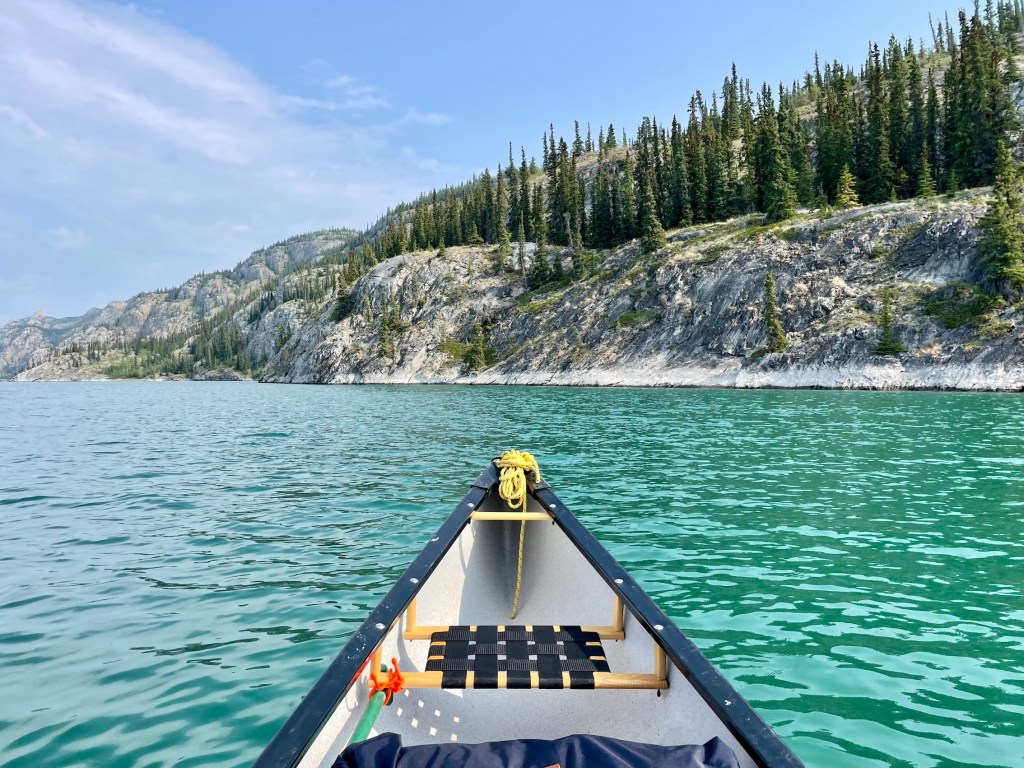
Teslin occupies one of the most scenic settings on the Alaska Highway — the road descends to the community along Teslin Lake, a long, fjord-like body of water flanked by forested hills. The Nisutlin Bay Bridge carries the Alaska Highway across the bay on the east side of town; at 584 metres, it was one of the longest bridges on the Alaska Highway when completed and remains a significant structure. The community of about 350 people is home to the Teslin Tlingit Council, whose matrilineal clan system and cultural traditions have roots in both the coastal Tlingit world of Southeast Alaska and the interior Yukon.
## Getting There
Teslin is 183 kilometres south of Whitehorse on the Alaska Highway — about two hours of paved driving through lake and boreal country. From Watson Lake, it is 260 kilometres northwest — about 2.5 hours. There is no airport; Teslin is road-accessible only.
The approach from Whitehorse is notable: the highway drops over a ridge and Teslin Lake suddenly appears below — 141 kilometres long, the fourth-largest lake in the Yukon, flanked by the Teslin Plateau on the west and the Nisutlin Bay on the east. The lake is visible for a long stretch before you reach town.
## What to See and Do
*George Johnston Museum*
The [George Johnston Museum](https://indigenousyukon.ca/things-to-do/cultural-centres/george-johnston-museum) is the reason most people stop in Teslin, and it justifies the stop entirely. George Johnston (1884–1972) was a Tlingit man from Teslin who spent decades photographing his community — family portraits, hunting camps, seasonal gatherings, the arrival of the Alaska Highway construction crews, the transition from a semi-nomadic to a settled life. His photographs, printed and displayed throughout the museum, are an irreplaceable historical record. They document a community in transformation, shot by someone who understood it from the inside.
Johnston is also famous for a separate accomplishment: he imported a 1928 Chevrolet to Teslin — a remarkable undertaking before any road reached the community — and each winter built his own road on the ice of Teslin Lake so he could drive it. The car is preserved in the museum. The story says something essential about the man: ingenious, determined, and possessed of a particular sense of humour.
The museum is open summer months; admission by donation. Allow at least an hour.
*Teslin Tlingit Heritage Centre*
The Teslin Tlingit Heritage Centre, operated by the Teslin Tlingit Council, covers the history and culture of the five clans of the Teslin Tlingit — Wolf, Crow, Deisheetaan, Ishkahittaan, and Dakl'aweidí — and their governance structure, which survived colonization and now forms the basis of the Teslin Tlingit Council's self-government. Exhibits address language revitalization, traditional territories, and the path from the 1973 land claims movement to the Final Agreement. Cultural programming — traditional beadwork, carving, oral history — is sometimes offered; contact the Council in advance to ask what's available during your visit.
*Teslin Lake*
Teslin Lake is one of the finest fishing lakes in the Yukon. Lake trout in particular can reach considerable sizes here; northern pike and Arctic grayling are also present. The lake is 141 kilometres long but only a few kilometres wide — it acts as a funnel for winds, and can generate significant waves with very little warning. Treat it with respect if you're in a small boat.
Canoe routes on the Teslin River, which flows north from the lake's east end toward its confluence with the Yukon River (approximately 240 km), are popular with experienced paddlers. The upper Teslin River is remote and challenging; lower sections are more straightforward. The river ultimately joins the Yukon River at the mouth, allowing onward paddling to Dawson City.
*Nisutlin Bay Bridge*
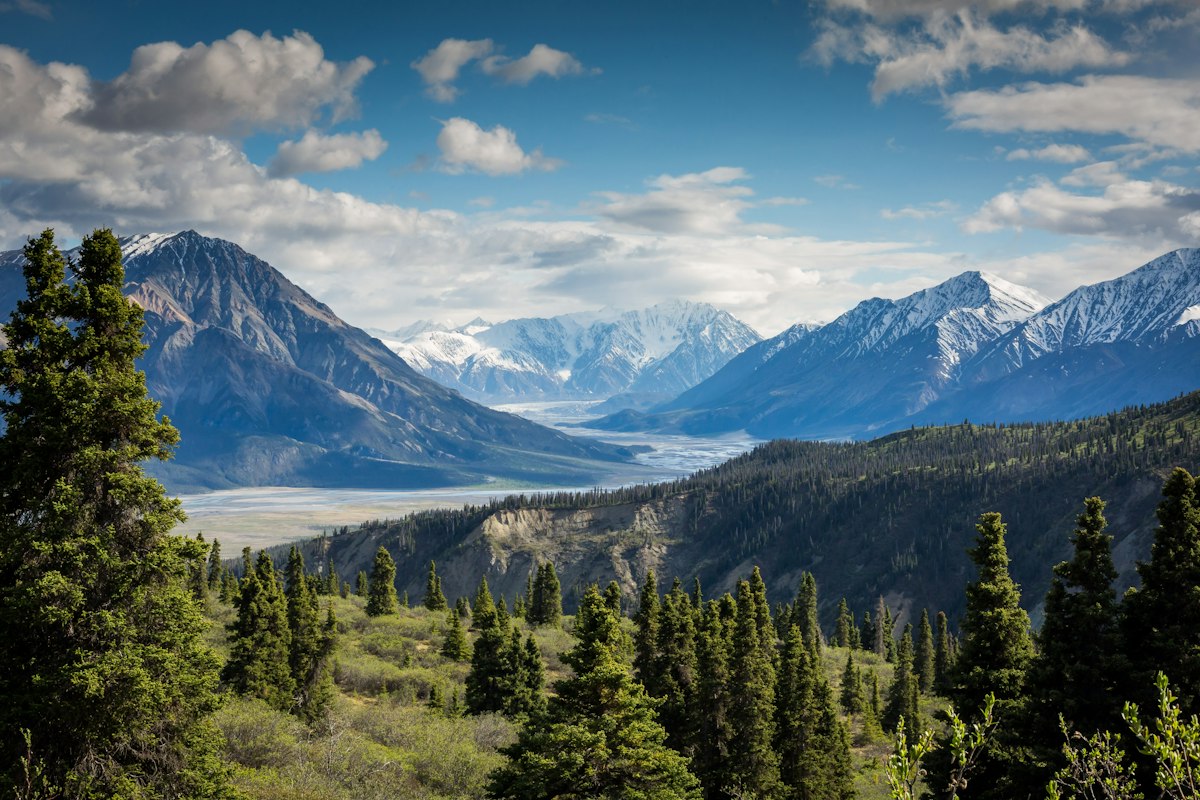
The Nisutlin Bay Bridge at the east end of town is worth a stop for the views — the bridge crosses a broad bay of Teslin Lake, and the surrounding landscape of lake, boreal forest, and distant plateau is characteristic of this part of the Yukon. Eagle-watching is often good from the bridge area, particularly in late summer when fish are active.
## Where to Stay
The [Yukon Motel](https://yukonmotel.com/) on the Alaska Highway is the main accommodation option — functional rooms with highway access, and a restaurant. Halstead's Nisutlin Trading Post has RV hookups. Teslin Lake Campground, a short distance west of town on the lakeshore, is the recommended camping option — the lake views are excellent and the sites are well-maintained. First-come, first-served; fills in peak season.
## Where to Eat
The [Yukon Motel's](https://yukonmotel.com/) restaurant is the primary dining option — standard highway food served reliably. Stock up in Whitehorse if you have specific dietary needs; options in Teslin are limited. The Nisutlin Trading Post has basic provisions.
## Best Time to Visit
June through August for the George Johnston Museum, lake fishing, and full services. Late July and August are excellent for fishing on Teslin Lake. September brings fall colours along the lake shore and hillsides — the combination of the long fjord-like lake and the autumn colour is one of the finest landscapes in the southern Yukon.
Winter in Teslin is quiet. Clear nights over Teslin Lake offer some of the best aurora viewing on the Alaska Highway corridor — the lake is wide enough to give unobstructed northern horizon views, and the absence of light pollution makes the displays vivid.
## Practical Tips
Fuel is available in Teslin. Between Watson Lake and Whitehorse, Teslin is the primary service stop — fill up here regardless of gauge, as the stretches on either side pass through very remote terrain.
Teslin Lake's microclimate is real. Winds can come up quickly on the lake and generate waves that can swamp a small boat. If you're fishing or paddling, watch the weather and stay close to shore when conditions are uncertain.
The Teslin Tlingit Council maintains an active governance and cultural program. Visitors are welcome at public events and the Heritage Centre, but approach with the same respect you would bring to any Indigenous community — ask before photographing individuals, and do not wander into private or restricted areas.
## Outdoor Adventures Around Teslin
For those seeking adventure beyond the village, the surrounding wilderness offers excellent hiking and wildlife viewing opportunities. The lush boreal forest and rugged terrain make for captivating hiking trails. Among these, the Boswell River Trail is a local favorite, meandering through a landscape rich with wildlife and offering stunning vistas of the Teslin Plateau. Carry bear spray and be mindful of wildlife, as the area is home to bears, moose, and a variety of bird species.
Fishing enthusiasts should consider exploring the smaller lakes and rivers around Teslin. Nisutlin River, a tributary of Teslin Lake, provides a serene setting for fishing or tranquil paddling. Local outfitters can offer guided fishing trips and equipment rentals, ensuring you have a safe and rewarding experience.
## Cultural Experiences and Events
In addition to the Tlingit Heritage Centre, Teslin hosts cultural events throughout the year that offer a deep dive into the vibrant traditions of the Tlingit people. The Haa Ḵusteeyí Celebration, held every two years, is a major cultural event celebrating Tlingit culture with performances, traditional dance, and art exhibitions. If your visit coincides with this event, it is an opportunity not to be missed.
The Teslin Tlingit Council frequently organizes workshops and events focusing on traditional skills and crafts. Visitors interested in indigenous art forms such as carving or beadwork should inquire ahead of time to participate in these workshops. These experiences offer a unique insight into the cultural heritage and contemporary life of the Tlingit people in Teslin.
---
## See Also on TheKlondike.net
- [The Teslin Tlingit: Keepers of the Five Clans](/blog/teslin-tlingit-five-clans-history) — the full history of the Teslin Tlingit Council and their clan system
- [Yukon's Historic Sites: A Complete Visitor's Guide](/blog/yukon-historic-sites-visitor-guide) — including the George Johnston Museum
- [Watson Lake Travel Guide](/blog/watson-lake-sign-post-forest) — 260 km southeast on the Alaska Highway
- [Whitehorse Travel Guide](/blog/whitehorse-essential-guide) — 183 km northwest