Chasing the Northern Lights in the Yukon: The Complete Guide
The Yukon is one of the best places on earth to see the aurora borealis. Here's when to go, where to go, and how to photograph this extraordinary natural phenomenon.
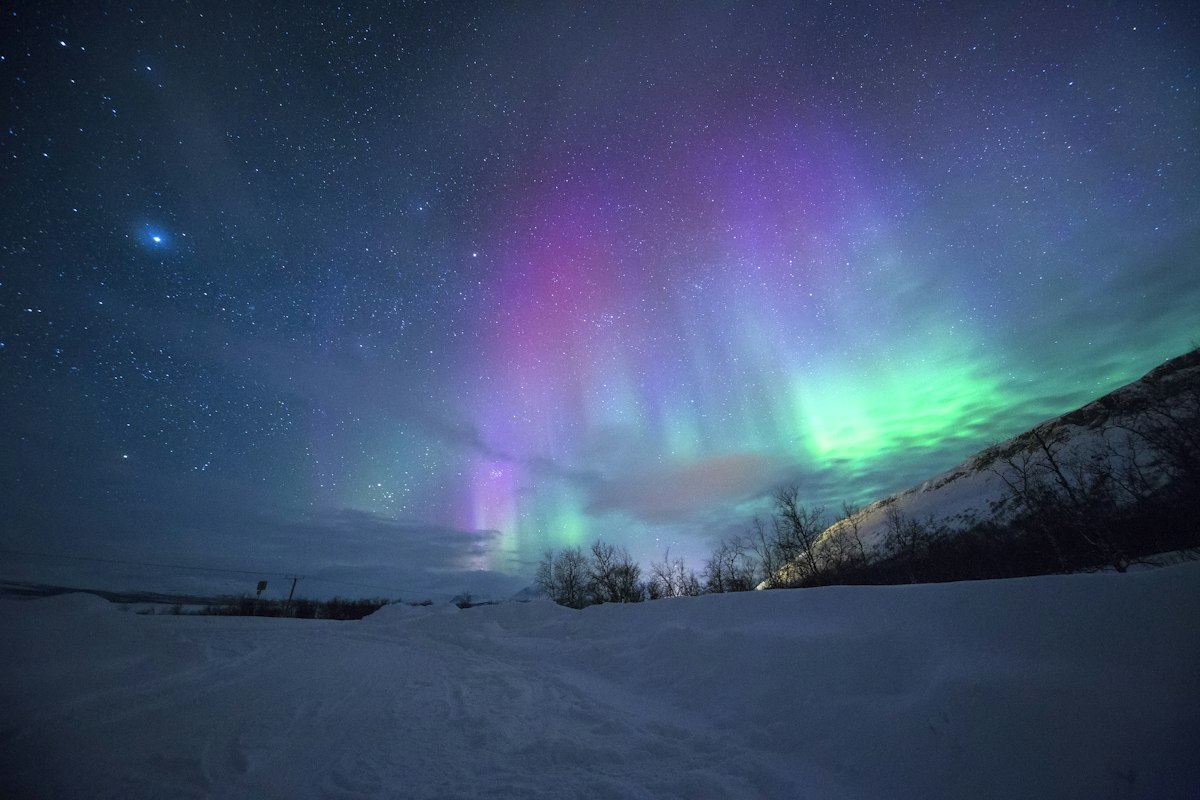
The Yukon sits directly beneath the auroral oval — the ring-shaped zone around the magnetic pole where the northern lights are most active — which makes it one of the best places on Earth to see the aurora borealis. On a clear, dark night, the whole sky can come alive in curtains of green, and sometimes red and violet, shifting faster than you can photograph them.
## When to go
The aurora is out all year, but you can only see it when the sky is dark. That rules out the Yukon summer, when the [midnight sun](/blog/why-yukon-feels-different) keeps the sky bright around the clock. The viewing season runs from roughly **late August to mid-April**, in two stretches:
- **Autumn (late August–October):** milder temperatures, open-water reflections, and fall colour. A favourite for first-timers.
- **Winter (November–April):** the longest, darkest nights and, statistically, the most consistent displays — but it is cold, often −30°C or below. Dress accordingly.
The darkest hours, roughly 10 p.m. to 2 a.m., are usually best, though a strong display can appear any time the sky is dark.
### Optimal Months
While the entire viewing season offers opportunities, certain months stand out. September and March are often highlighted by aurora enthusiasts due to their combination of long nights and relatively moderate temperatures. Additionally, they offer a chance to combine aurora hunting with other seasonal activities like hiking in September or snowshoeing in March.
## Where to go
Get away from town lights. Around Whitehorse, dedicated aurora-viewing operators run heated camps outside the city; see our [Whitehorse guide](/blog/whitehorse-essential-guide). In Dawson City, drive a few kilometres out the Klondike Highway or up toward the Midnight Dome. Anywhere with a wide, dark northern horizon and a clear sky will do. The official [Travel Yukon northern lights](https://www.travelyukon.com/en/media/northern-lights) page is a good planning resource.
### Notable Viewing Spots
While Whitehorse and Dawson City are popular bases, consider venturing further afield to locations like Kluane National Park and Reserve. Renowned for its vast wilderness and towering peaks, Kluane provides an unhindered view of the aurora, with the added allure of its stunning natural landscape.
### Access and Transport
The Yukon is well-connected by air and road. Whitehorse International Airport is the primary gateway, with regular flights from major Canadian cities. Car rentals are available, and while roads are generally well-maintained, winter conditions can be challenging. Ensure your vehicle is equipped with snow tires and always check road conditions ahead of time.
## Reading the forecast
Aurora strength is measured by the **Kp index**, a 0–9 scale. From the Yukon's high latitude you can see activity at surprisingly low numbers — anything around Kp 3 or above is worth getting outside for. Free apps and the U.S. NOAA Space Weather Prediction Center publish short-term forecasts. But the single most important factor is simpler: a **clear sky**. Check the cloud forecast as carefully as the aurora forecast.
### Apps and Tools
Several apps cater specifically to aurora chasers, offering real-time alerts and detailed forecasts. Consider downloading apps like "My Aurora Forecast" or "Aurora Alerts Northern Lights" to stay informed while on the go. These tools often provide notifications about high solar activity, ensuring you won't miss a potential display.
## Photographing the aurora
The northern lights are easier to photograph than almost any other night subject, but you need the right settings:
- **A tripod, always.** Exposures are too long to hand-hold.
- **Manual mode.** Set the aperture as wide as your lens allows (f/2.8 or lower is ideal), ISO between 1600 and 3200, and exposures of 5 to 15 seconds — shorter for fast-moving displays, longer for faint ones.
- **Manual focus** set to infinity (autofocus fails in the dark; focus on a bright star).
- **A wide lens** captures more sky.
- **Spare batteries** kept warm in an inside pocket — cold drains them fast.
For more on shooting in Dawson's extraordinary light, see [Gold Rush Photography: Tips for Photographing Dawson City](/blog/photography-tips-dawson-city).
### Advanced Techniques
For enthusiasts looking to capture more than the basic shot, consider experimenting with timelapse photography. Set your camera to take continuous shots over several hours to create a dynamic video showcasing the aurora's movement. Additionally, including foreground elements, such as trees or mountains, can add depth and context to your images.
## A note on patience
The aurora keeps its own schedule. Give yourself several nights, dress far warmer than you think you need to, bring a thermos, and be willing to stay up late. When it finally fills the sky, you'll understand why people travel across the world for it.
### Local Wildlife
While waiting for the lights to appear, keep an eye out for Yukon’s wildlife. The territory is home to species like the caribou, moose, and lynx. Though sightings are not guaranteed, the opportunity to see animals in their natural habitat adds another layer to the northern experience.
### Cultural Experiences
Beyond the aurora, engage with local culture. The Yukon has a rich Indigenous history, and several communities offer cultural tours and experiences. Learning about the traditions and stories of the land can provide a deeper appreciation for the natural wonders you're witnessing.
## Combining Activities
### Outdoor Adventures
The Yukon offers a plethora of outdoor activities that can be combined with your aurora viewing. In the autumn months, hiking trails such as those in Tombstone Territorial Park are open, providing breathtaking views of the tundra. As winter sets in, try dog sledding or cross-country skiing. These experiences are not only thrilling but also immerse you in the wilderness that makes the Yukon special.
### Accommodation Options
The Yukon provides a range of accommodation options that cater to aurora seekers. From cozy cabins equipped with viewing decks to luxury lodges offering guided tours, there's something for every preference. Many of these accommodations are situated outside of urban centers, ensuring minimal light pollution and maximizing your chances of catching the aurora.
## See Also on TheKlondike.net
- [Gold Rush Photography: Tips for Photographing Dawson City](/blog/photography-tips-dawson-city)
- [Whitehorse Travel Guide](/blog/whitehorse-essential-guide) — base for many aurora trips
- [Why the Yukon Feels Different](/blog/why-yukon-feels-different) — including the midnight sun that makes summer aurora impossible
- [Dawson City Travel Guide](/blog/dawson-city-48-hours)
## Local Events and Festivals
### Northern Lights Festival
If timing permits, plan your visit around the Northern Lights Festival. Held in Whitehorse, this event celebrates the aurora borealis with a variety of activities, including guided aurora tours, photography workshops, and cultural performances. It's an excellent opportunity to immerse yourself in the local community while experiencing the magic of the northern lights.
### Yukon Quest
While primarily a dog sledding race, the Yukon Quest, held in February, offers a unique backdrop for aurora sightings. The race spans 1,000 miles between Whitehorse and Fairbanks, Alaska. Along the route, you'll find plenty of opportunities to witness the aurora from remote checkpoints, all while cheering on the mushers as they tackle one of the toughest races in the world.
## Responsible Tourism
### Environmental Considerations
The Yukon's pristine environment is one of its greatest assets. When chasing the northern lights, practice Leave No Trace principles. Ensure all waste is disposed of properly, and avoid disturbing wildlife. Stick to established paths and viewing areas to minimize your impact on the delicate tundra ecosystem.
### Respect for Indigenous Lands
Recognize that much of the Yukon is traditional territory of Indigenous peoples. When exploring these lands, be respectful of local customs and seek permission when necessary. Engaging with Indigenous-led tours not only provides a richer understanding of the area but also supports local communities.
## Planning Your Trip
### Travel Insurance
Given the remote nature of the Yukon and the potential for extreme weather conditions, securing comprehensive travel insurance is advisable. Ensure your policy covers winter sports and activities, as well as potential delays due to weather.
### Health and Safety
Stay informed about potential health risks, particularly related to extreme cold exposure. Familiarize yourself with the symptoms of frostbite and hypothermia, and take precautions such as dressing in layers and limiting time spent in severe conditions. Always inform someone of your whereabouts when venturing out for aurora viewing, especially in isolated areas.
### Communication and Connectivity
Cell service can be limited in the Yukon's remote areas. Consider renting a satellite phone or carrying a GPS device for added security. While some lodges and accommodations provide Wi-Fi, it's best to download necessary maps and information in advance to ensure access when offline.